
Understanding Car Tire Repair: A Comprehensive Guide
Car tires are a critical component of vehicle safety and performance, acting as the sole point of contact between your car and the road. Over time, or due to unforeseen circumstances, tires can sustain damage that necessitates repair. Understanding the common types of tire damage, when a repair is feasible, and the proper methods for addressing it is essential for every vehicle owner. This guide provides a comprehensive overview of car tire repair, empowering you to make informed decisions for your vehicle’s maintenance.
Common Causes of Tire Damage
Tire damage can arise from a variety of sources, ranging from everyday wear and tear to sudden impacts. Identifying the cause of damage can often provide clues about the best course of action for repair or replacement.
One of the most frequent culprits is puncture from road debris. Nails, screws, glass shards, and other sharp objects can embed themselves in the tire tread, leading to slow leaks or rapid deflation. Punctures are typically localized and, depending on their size and location, can often be repaired. Another common issue is impact damage, often sustained from hitting potholes, curbs, or other road hazards. Such impacts can lead to bulges in the sidewall, internal structural damage, or even a sudden blowout. Unlike punctures, impact damage often compromises the structural integrity of the tire and is less likely to be repairable.
Underinflation or overinflation can also contribute to tire damage. Incorrect tire pressure leads to uneven wear, reducing the tire’s lifespan and increasing the risk of failure. Underinflation, in particular, generates excessive heat, which can weaken the tire’s internal structure and lead to tread separation. Furthermore, general wear and tear, such as tread separation or excessive cracking due to aging rubber, can render a tire unsafe. While these issues are not typically repairable, regular inspection can help identify them before they become critical safety concerns.
When is Tire Repair Possible?
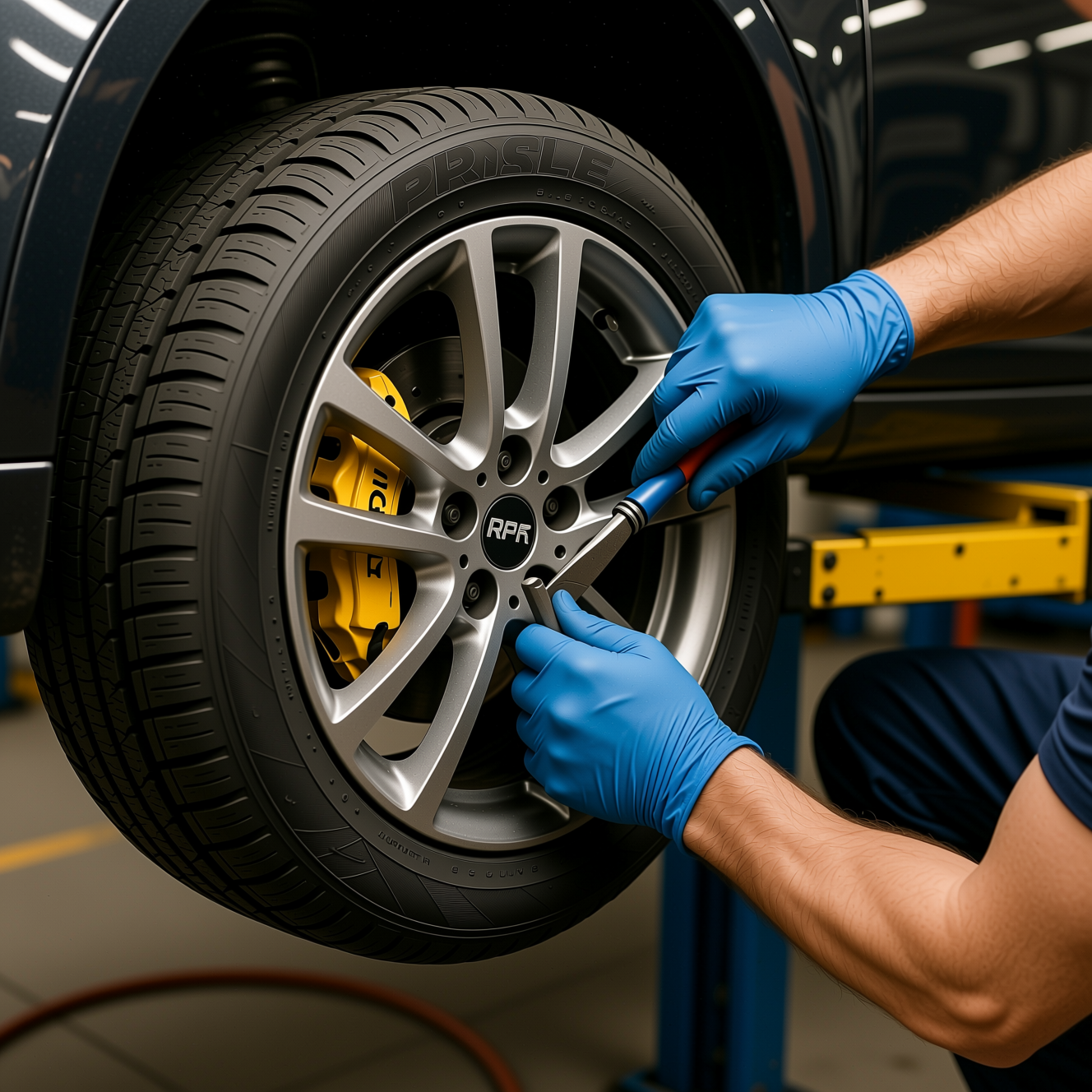
Not all tire damage is repairable. Industry standards and safety guidelines dictate specific criteria for when a tire can be safely repaired. Adhering to these guidelines is paramount to ensuring continued vehicle safety.
Generally, a tire puncture is repairable if it meets specific conditions. The damage must be located within the tire’s tread area, specifically within the central three-quarters of the tread width. Punctures too close to the sidewall or on the shoulder of the tire are typically not repairable because these areas flex significantly, and a repair might not hold or could compromise the tire’s structural integrity. The size of the puncture is also a critical factor; most industry standards recommend that punctures larger than 1/4 inch (6mm) in diameter are not suitable for repair. This is because larger holes can cause too much damage to the tire’s internal structure and belts.
Furthermore, the tire must not have suffered any significant structural damage. This includes visible signs of internal damage, such as distorted plies or belts, or external damage like tread separation, exposed cords, or sidewall bulges. If a tire has been driven while severely underinflated or flat, it may have sustained internal damage that is not immediately visible, making it unsuitable for repair even if the external puncture appears minor. In such cases, the excessive heat generated from driving on a flat tire can weaken the tire’s internal components, leading to potential failure even after a seemingly successful repair. A thorough inspection by a qualified technician is crucial to assess the full extent of the damage and determine repair feasibility.
The Proper Tire Repair Methods
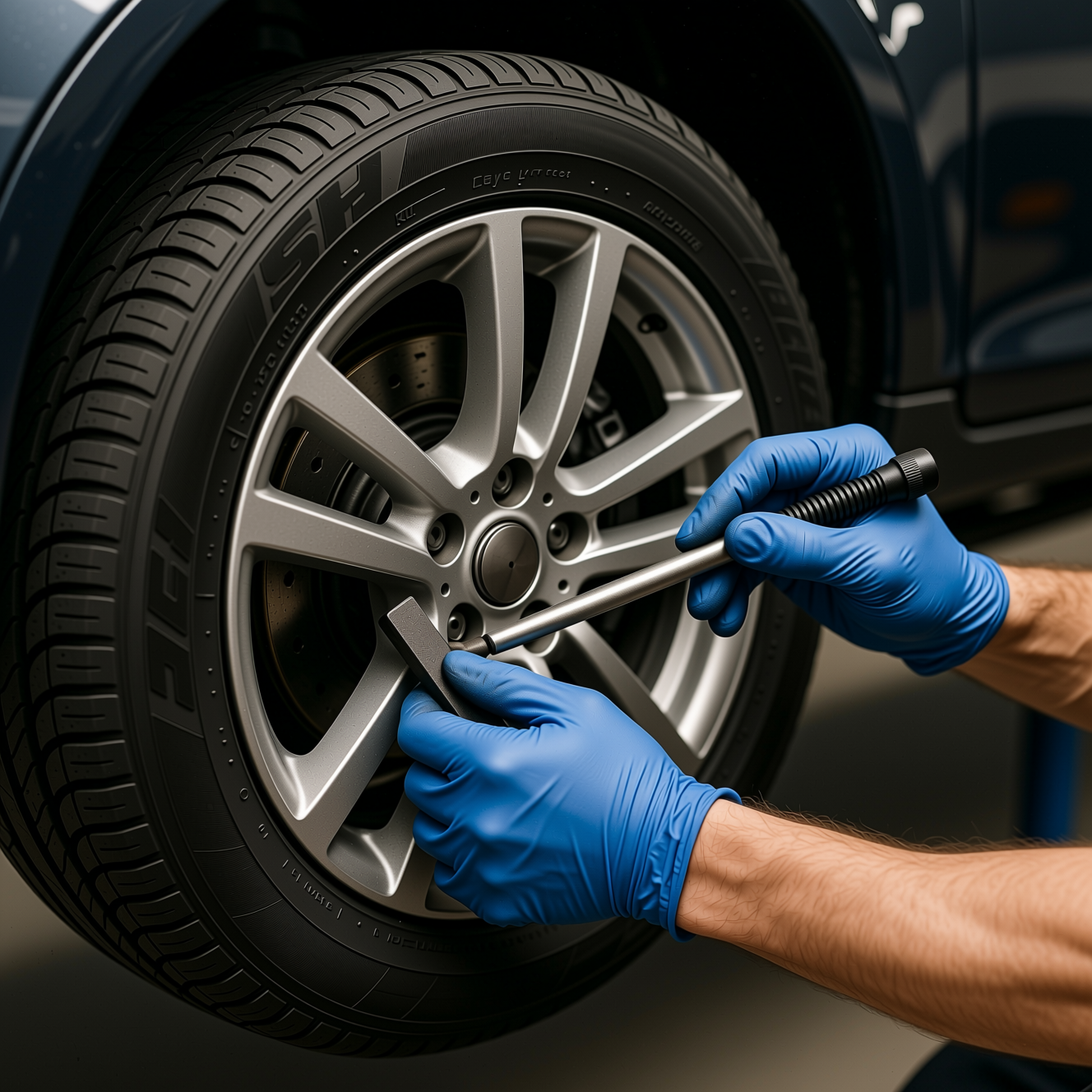
When a tire is deemed repairable, there are specific methods that must be employed to ensure a safe and lasting fix. These methods go beyond simple external patching and involve addressing the damage from the inside out.
The industry-recommended repair method for punctures involves a two-part process: plugging and patching. First, the tire is removed from the wheel, and the inside of the tire is thoroughly inspected for any additional damage. The puncture hole is then carefully reamed to create a clean, uniform channel. A rubber plug, often combined with a patch (a “plug-patch” combination), is then inserted from the inside of the tire through the puncture hole. The patch portion is applied to the interior liner of the tire, creating an airtight seal, while the plug fills the hole itself. This method is crucial because it addresses both the sealing of the inner liner and the filling of the injury channel, preventing moisture and contaminants from entering the tire structure and causing further damage.
It is important to note that simply using an external string plug, often found in DIY repair kits, is generally considered a temporary solution and not a permanent, safe repair. While a string plug can temporarily stop a leak, it does not properly seal the inner liner of the tire, leaving the tire’s internal structure vulnerable to moisture and air ingress, which can lead to corrosion of the steel belts and eventual tire failure. A proper repair always involves dismounting the tire from the wheel to allow for a complete internal inspection and the application of a patch from the inside. After the repair is completed, the tire should be remounted, rebalanced, and reinflated to the manufacturer’s recommended pressure. This ensures that the tire performs correctly and safely on the vehicle.
DIY vs. Professional Tire Repair

When faced with a flat or leaking tire, many individuals consider attempting a do-it-yourself (DIY) repair. However, understanding the limitations and potential risks of DIY repairs versus the benefits of professional service is paramount for safety.
DIY tire repair kits, typically containing string plugs and an insertion tool, are readily available. While these kits can provide a quick, temporary fix to get you to a service station, they are not designed for permanent repairs. The primary drawback of DIY string plugs is that they do not involve dismounting the tire. This means that the internal structure of the tire cannot be inspected for hidden damage, such as belt separation or secondary punctures. Furthermore, string plugs do not create a permanent seal on the tire’s inner liner, which is essential for preventing moisture from entering and corroding the steel belts. Relying solely on a string plug for a long-term solution can compromise the tire’s integrity and lead to potential failure at higher speeds or under heavy loads, posing a significant safety risk.
Professional tire repair, on the other hand, involves a comprehensive process performed by trained technicians. A professional will dismount the tire from the wheel, thoroughly inspect both the exterior and interior for all types of damage, and then apply a proper plug-patch combination from the inside out, as described in the previous section. This ensures a durable, airtight seal and addresses any potential hidden issues. Additionally, professionals have the necessary equipment to safely remount and rebalance the tire, which is crucial for maintaining vehicle handling and preventing uneven wear. While professional repair incurs a cost, the investment in safety and peace of mind far outweighs the potential risks associated with an improper DIY repair. For any tire damage beyond an immediate emergency, seeking professional service is always the recommended course of action.
Maintenance and Prevention
Proactive maintenance and preventative measures are crucial for extending tire life, avoiding unexpected damage, and minimizing the need for repairs. A little attention can go a long way in ensuring your tires remain in optimal condition.
Regular tire pressure checks are perhaps the most important maintenance task. Incorrect tire pressure—both underinflation and overinflation—can lead to premature wear, reduced fuel efficiency, and increased susceptibility to damage. Always refer to your vehicle’s owner’s manual or the placard on the driver’s side door jamb for the recommended tire pressure, and check it at least once a month and before long trips. Another vital practice is regular tire rotation. Rotating your tires according to the manufacturer’s recommendations helps to ensure even wear across all four tires, prolonging their lifespan and maintaining balanced handling. Typically, rotations are recommended every 5,000 to 7,500 miles, but this can vary by vehicle and tire type.
Beyond pressure and rotation, routine inspections can help identify potential problems early. Visually inspect your tires for signs of uneven wear, cracks, bulges, or embedded objects. Pay attention to the tread depth; tires with worn-out tread patterns lose their ability to grip the road effectively, especially in wet conditions. Most tires have tread wear indicators (small bars molded into the tread grooves) that become flush with the tread when it’s time for replacement. Additionally, practicing defensive driving by avoiding potholes, curbs, and road debris whenever possible can significantly reduce the risk of impact damage and punctures. By consistently implementing these maintenance and prevention strategies, you can prolong the life of your tires, enhance driving safety, and reduce the frequency and cost of repairs.
Conclusion
Understanding car tire repair, from identifying damage to knowing when and how to properly fix it, is fundamental for vehicle safety and maintenance. While some minor punctures can be professionally repaired, it’s crucial to adhere to industry standards and prioritize safety over convenience. Regular maintenance and preventative measures further contribute to tire longevity and reliability. Always consult with a qualified tire technician for any significant tire damage to ensure a safe and lasting solution.
For expert advice and professional tire repair services, contact your local certified automotive service center today. Drive safely and confidently knowing your tires are in optimal condition.
Leave a Reply