
The Essential Guide to Car Tires: Everything You Need to Know
Car tires are often overlooked components of a vehicle, yet they are fundamental to its safety, performance, and efficiency. As the sole points of contact between your car and the road, tires play a critical role in steering, braking, acceleration, and absorbing road imperfections. Understanding the basics of car tires, from their construction to proper maintenance, is crucial for every driver. This guide will delve into the various aspects of car tires, providing essential information to help you make informed decisions and ensure a safer driving experience.
The Anatomy of a Car Tire
A modern car tire is a complex piece of engineering, designed to withstand immense forces and provide optimal grip under various conditions. At its core, a tire is composed of several layers of materials, each serving a specific purpose. The outermost layer, the tread, is the part that makes contact with the road. It features a unique pattern of grooves, blocks, and sipes designed to channel water, enhance traction, and provide stability.
Beneath the tread lies the tread plies, typically made of steel or synthetic fibers, which provide strength and stability to the tire’s crown. The sidewall, the vertical section between the tread and the wheel rim, contains information about the tire’s size, type, and performance ratings. The body plies, usually made of polyester or rayon cords, form the main structure of the tire, running from bead to bead and providing flexibility. Finally, the beads are reinforced rings of high-tensile steel wire that secure the tire to the wheel rim, creating an airtight seal.
Types of Car Tires and Their Applications

The market offers a diverse range of car tires, each engineered for specific driving conditions and vehicle types. Choosing the right tire depends on factors such as local climate, driving habits, and vehicle manufacturer recommendations. Understanding the different types can significantly impact your vehicle’s performance and safety.
- All-Season Tires: These are the most common type, designed to offer a balance of performance in various conditions, including light snow, wet roads, and dry pavement. They are a versatile choice for drivers in regions with moderate climates.
- Summer Tires: Optimized for warm weather conditions, summer tires provide superior grip and handling on dry and wet roads when temperatures are above freezing. Their tread compounds are designed to remain firm in heat, offering excellent cornering ability and braking performance.
- Winter Tires: Specifically engineered for cold temperatures and snow/ice conditions, winter tires feature specialized rubber compounds that remain flexible in freezing weather, along with aggressive tread patterns for enhanced traction.
- Performance Tires: Designed for sports cars and performance vehicles, these tires prioritize responsiveness, grip, and high-speed stability. They often have a lower profile and a stiffer sidewall for improved handling.
- All-Terrain and Mud-Terrain Tires: Predominantly used on SUVs and trucks, these tires are built for off-road adventures. All-terrain tires offer a compromise between off-road capability and on-road comfort, while mud-terrain tires feature aggressive tread blocks for maximum traction in challenging off-road environments.
Understanding Tire Sidewall Markings
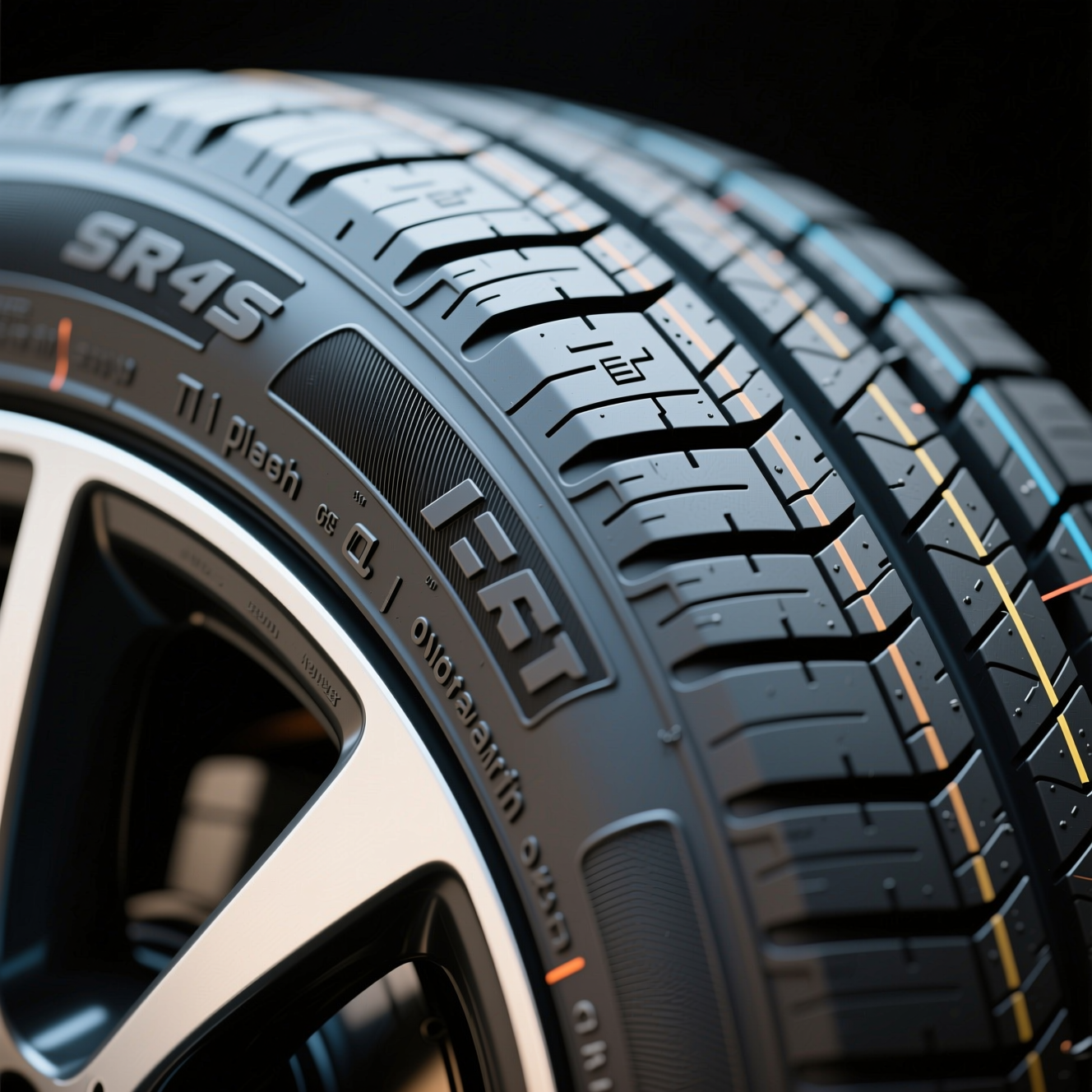
The sidewall of a tire contains a wealth of information, encoded in a series of letters and numbers. Deciphering these markings is essential for selecting the correct replacement tires and understanding your vehicle’s specifications. A typical tire size might appear as P205/55R16 91V.
Let’s break down this example:
- P: Denotes a “P-Metric” tire, designed for passenger vehicles. Other letters like “LT” indicate Light Truck tires.
- 205: Represents the tire’s width in millimeters, measured from sidewall to sidewall.
- 55: Is the aspect ratio, indicating the height of the tire’s sidewall as a percentage of its width. In this case, the height is 55% of 205mm.
- R: Signifies radial construction, the most common type of tire construction today.
- 16: Indicates the diameter of the wheel rim in inches that the tire is designed to fit.
- 91: This is the load index, a numerical code corresponding to the maximum weight the tire can support when properly inflated.
- V: The speed rating, an alphabetical code indicating the maximum speed at which the tire can carry its maximum load. “V” typically means up to 149 mph (240 km/h).
Additional markings may include the UTQG (Uniform Tire Quality Grading) ratings for treadwear, traction, and temperature, as well as the DOT (Department of Transportation) code, which indicates the manufacturing location and date.
Essential Tire Maintenance Practices
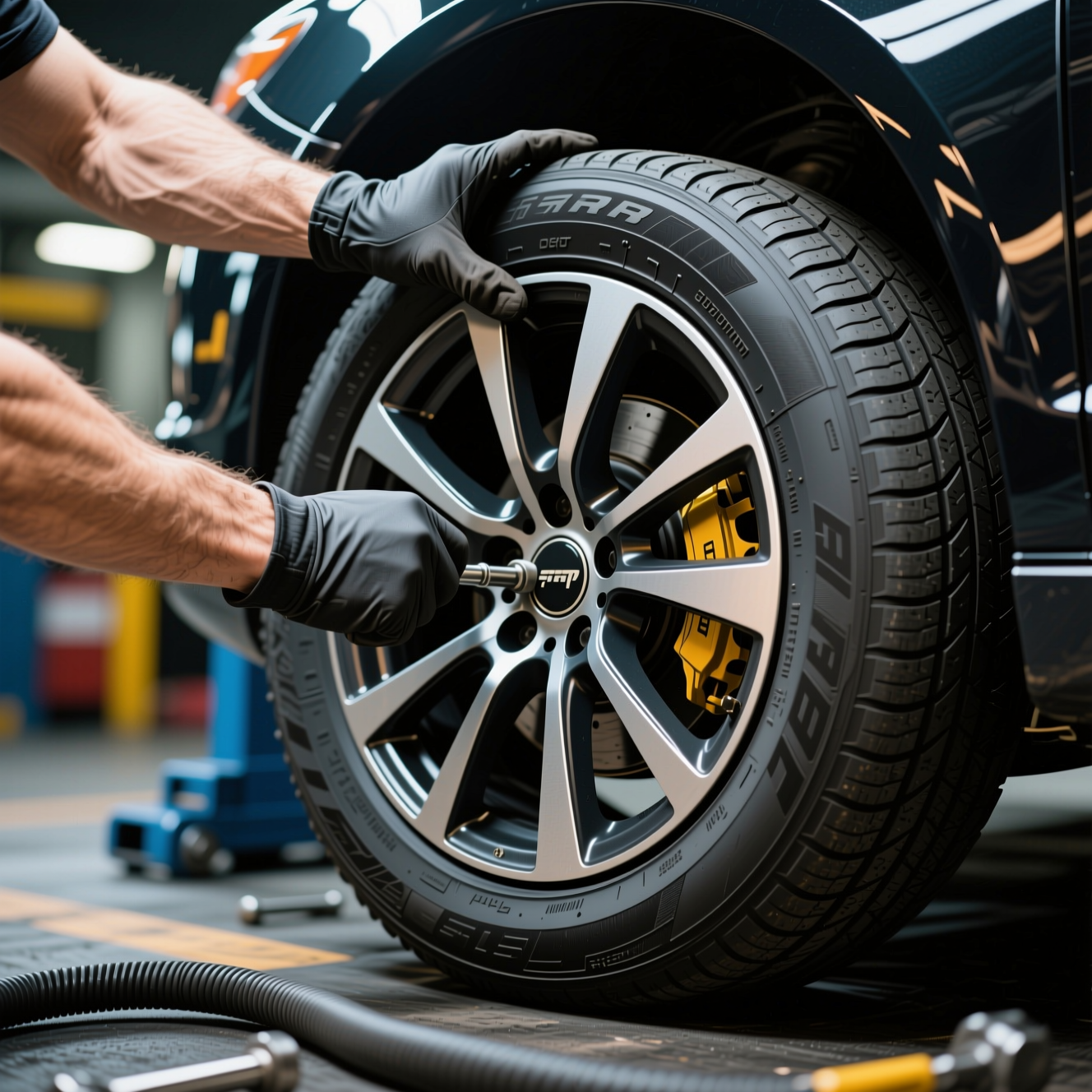
Proper tire maintenance is paramount for ensuring safety, extending tire life, and optimizing fuel efficiency. Neglecting tire care can lead to premature wear, blowouts, and compromised handling. Incorporating a few simple habits into your routine can make a significant difference.
- Regular Tire Pressure Checks: Maintaining correct tire pressure is perhaps the most critical aspect of tire maintenance. Underinflated tires can lead to increased rolling resistance, poor fuel economy, uneven wear, and a greater risk of blowouts. Overinflated tires can reduce traction, cause a harsh ride, and lead to premature wear in the center of the tread. Always refer to your vehicle’s owner’s manual or the placard located on the driver’s side door jamb for the recommended tire pressure, which may differ from the maximum pressure listed on the tire’s sidewall.
- Tire Rotation: Rotating your tires regularly, typically every 5,000 to 8,000 miles, helps ensure even wear across all four tires. Since front and rear tires, and even tires on opposite sides, wear differently due to various factors like steering and weight distribution, rotation promotes uniform wear and extends the overall life of the set.
- Wheel Alignment and Balancing: Proper wheel alignment ensures that your tires are positioned correctly relative to each other and the road. Misalignment can cause uneven tire wear, pulling to one side, and compromised handling. Tire balancing ensures that the weight of the tire and wheel assembly is evenly distributed. Imbalances can lead to vibrations at certain speeds and uneven wear. These services should be performed periodically or if you notice any unusual handling characteristics.
- Tread Depth Monitoring: The tread depth of your tires directly impacts their ability to grip the road, especially in wet conditions. As tires wear, their ability to channel water away from the contact patch diminishes, increasing the risk of hydroplaning. Most countries have legal minimum tread depths, often 1.6mm (2/32 inch). You can use a tread depth gauge or the “penny test” (insert a penny head-first into a tread groove; if you can see the top of Lincoln’s head, your tread is shallow) to monitor this.
When to Replace Your Car Tires
Knowing when to replace your tires is as important as maintaining them. Ignoring worn-out tires can lead to dangerous driving conditions. Several indicators suggest it’s time for new car tires.
The most straightforward indicator is tread depth. When the tread wears down to the wear bars—small rubber bridges built into the main grooves of the tread pattern—it’s a clear sign that replacement is necessary. These bars become flush with the tread surface at approximately 2/32 of an inch (1.6mm) of remaining tread depth. Beyond tread wear, look for visible damage such as cracks in the sidewall, bulges or blisters, or punctures that cannot be safely repaired. Age is another factor; even if a tire appears to have sufficient tread, rubber degrades over time. Many manufacturers and automotive experts recommend replacing tires that are six to ten years old, regardless of mileage, as the rubber can become brittle and lose its elasticity, compromising performance and safety.
Conclusion

Car tires are much more than simple rubber rings; they are vital safety components that demand attention and care. From understanding their intricate construction and the various types available to diligently practicing maintenance and knowing when to replace them, every aspect contributes to your driving safety and vehicle longevity. By making informed decisions about your car tires, you not only enhance your driving experience but also protect yourself and your passengers on every journey.
Take the time to inspect your tires regularly, maintain proper inflation, and adhere to recommended service schedules. Your vigilance will be rewarded with improved performance, greater fuel efficiency, and, most importantly, enhanced safety on the road. For expert advice and professional tire services, consult with a trusted automotive technician or tire specialist today.
Leave a Reply