
Understanding the Importance of Food Banks
Food banks are a vital resource for communities around the world, providing essential nourishment to those in need. They play a crucial role in addressing food insecurity and hunger, helping to bridge the gap between food availability and access. In this article, we will delve into the world of food banks, exploring their history, functions, and impact on society.
History of Food Banks
The concept of food banks dates back to the 18th century, when the first food banks were established in Europe to provide relief to people affected by famine. However, it wasn’t until the 1960s that the modern food bank movement gained momentum in the United States. The first food bank in the US, the Food Bank of Northern California, was founded in 1967. Today, there are over 200 food banks across the country, serving millions of people.
Early food banks were primarily focused on providing emergency assistance to individuals and families in crisis. However, as the need for food assistance grew, so did the scope and complexity of food banks. Many now offer a range of services, including meal programs, nutrition education, and advocacy for food policy changes.
Some notable milestones in the development of food banks include the establishment of the National Food Bank Network in 1979, which aimed to provide support and resources to local food banks. Additionally, the 1990s saw the introduction of the federal Emergency Food Assistance Program, which provided funding for food banks to purchase and distribute food to those in need.
How Food Banks Operate
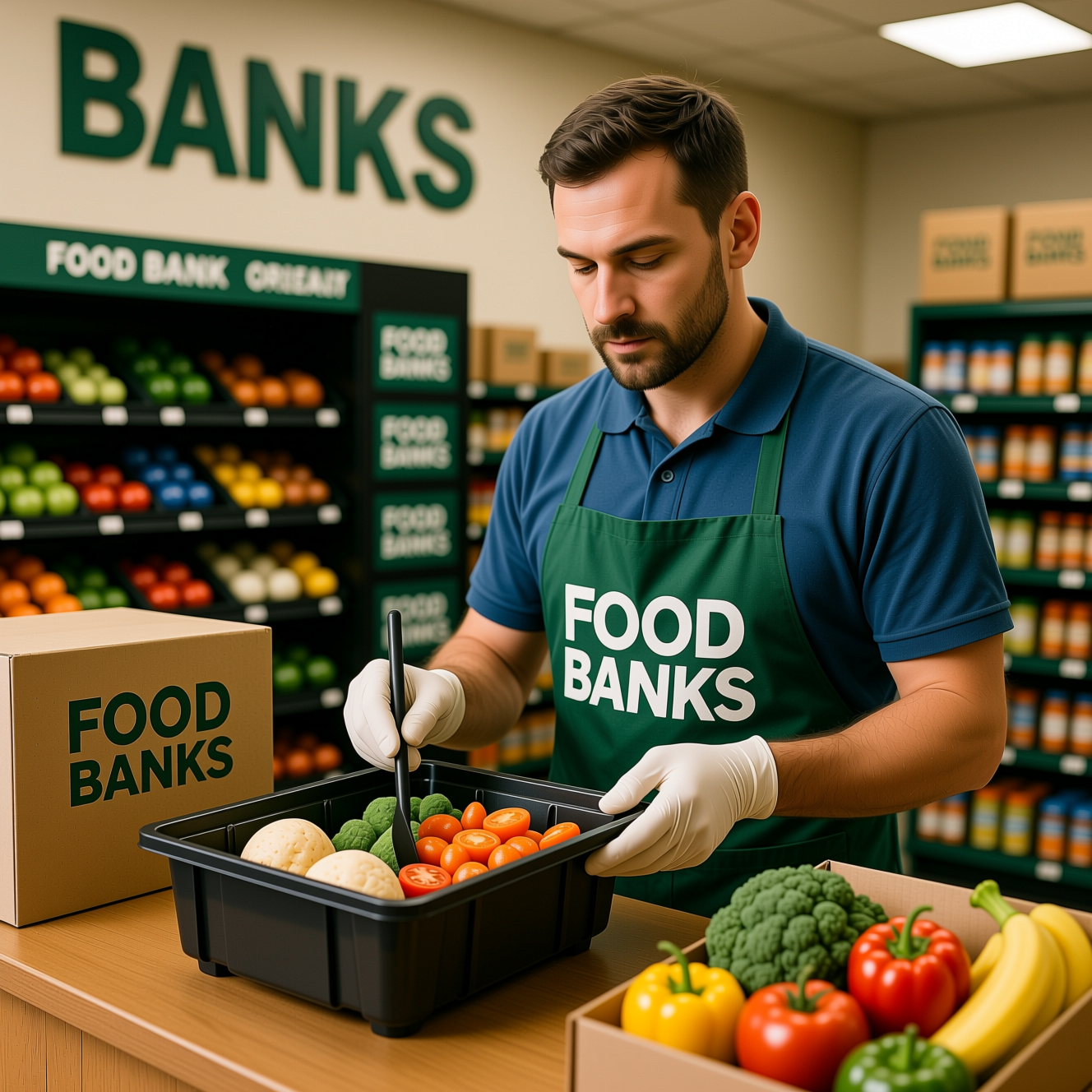
Food banks are typically non-profit organizations that rely on donations of food from various sources, including grocery stores, farmers, and manufacturers. They receive and distribute food to a network of agencies, such as food pantries, soup kitchens, and shelters. These agencies, in turn, provide the food to individuals and families in need.
Food banks often have a complex distribution system, involving multiple stages and stakeholders. Here’s an overview of the process:
- Donations are collected from various sources, including:
- Food retailers
- Food manufacturers
- Government agencies
- Individuals and organizations
- According to the Feeding America network, food banks provide food to over 46 million people annually.
- Food banks distribute over 3.5 billion pounds of food each year.
- For every dollar invested in food banks, an estimated $2.50 is generated in community benefits.
Impact of Food Banks

Food banks have a significant impact on the lives of millions of people. They provide essential nourishment to those struggling to access food, helping to alleviate hunger and food insecurity. In addition to the direct benefits, food banks also contribute to community development and social cohesion.
Some statistics highlighting the impact of food banks include:
Food banks also play a critical role in addressing broader social issues, such as poverty, health disparities, and education. By providing food assistance, food banks help individuals and families access necessary resources to improve their overall well-being.
Conclusion

Food banks are a vital component of the social safety net, providing essential nourishment to those in need. By understanding the history, functions, and impact of food banks, we can better appreciate the crucial role they play in addressing food insecurity and promoting community development. If you or someone you know is struggling to access food, consider visiting a local food bank or donating to support their efforts.
Visit a food bank near you or learn more about how to get involved by visiting Feeding America, the nation’s largest hunger-relief organization.
Leave a Reply