Understanding the Fascinating World of Cows
Cows are domesticated mammals that play a vital role in agriculture and the dairy industry. They are widely raised for their meat, milk, and hide, and are an essential part of many ecosystems. With over 1 billion cows worldwide, it is essential to understand their behavior, habitat, and importance in our ecosystem.
History and Origin of Cows
The domestication of cows dates back to around 10,000 years ago in the Indus Valley Civilization. It is believed that wild aurochs, a type of wild cattle, were domesticated and selectively bred to produce the modern cow. Over time, cows have been bred for various characteristics such as milk production, meat quality, and size.
The earliest evidence of cow domestication comes from the Neolithic period, around 7,000 years ago. Archaeologists have discovered ancient cow remains in the archaeological sites of Mehrgarh and Banaskantha in present-day Pakistan and India. These findings suggest that cows were not only used for milk and meat but also for their hide and labor.
The development of selective breeding has led to the creation of various breeds of cows, each with unique characteristics and traits. Some of the most common breeds include the Holstein, Brown Swiss, and Jersey.
Cow Behavior and Habitat
Cows are social animals that live in herds in the wild. They are known to be gentle and non-aggressive, but can become aggressive if threatened or frightened. In the wild, cows roam freely in grasslands, forests, and other open areas, feeding on grasses, leaves, and other vegetation.
Cows are ruminant animals, meaning they have a four-chambered stomach that allows them to digest plant-based foods. They spend most of their day grazing and resting, with a typical cow eating around 40-50 pounds of food per day.
Domesticated cows have a more controlled environment and are typically kept in pastures or feedlots. They require regular feeding, shelter, and veterinary care to stay healthy. Farmers and ranchers work hard to ensure that cows have access to clean water, food, and a safe living space.
Importance of Cows in Agriculture and Ecosystems
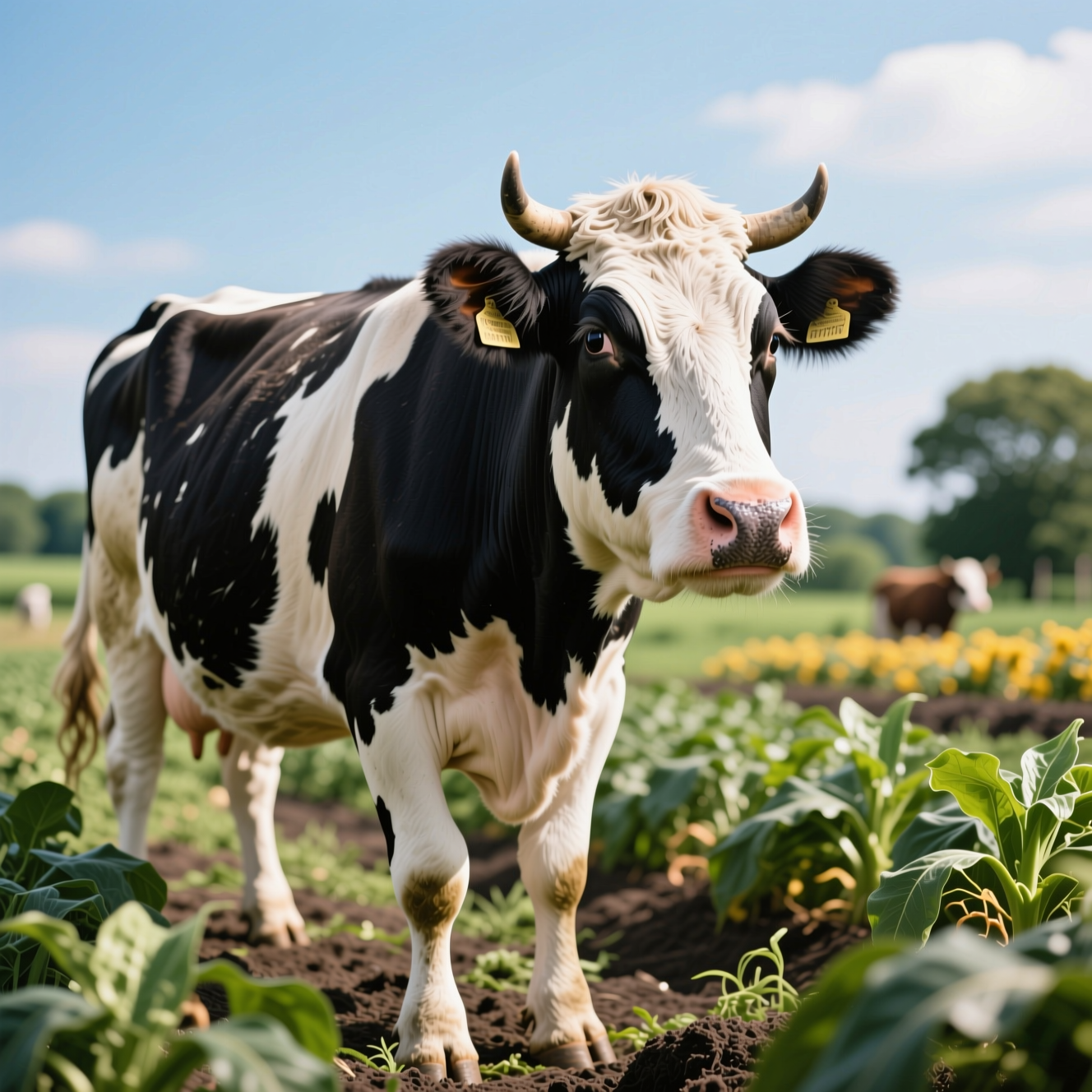
Cows play a vital role in agriculture, providing milk, meat, and hide for human consumption. They are also used for labor, plowing fields, and other farm work. In addition, cows help to maintain the ecosystem by dispersing seeds, controlling weed growth, and providing a source of food for predators.
Monoculture farming, which involves growing a single crop on a large area, can lead to soil degradation and reduced biodiversity. Cows can help to mitigate these effects by grazing on weeds and other unwanted plants, maintaining soil health and promoting biodiversity.
Some farmers and ranchers are now using regenerative agriculture practices, which prioritize soil health, biodiversity, and ecosystem services. This approach involves using rotational grazing, cover crops, and other methods to promote soil health and reduce the environmental impact of cow farming.
Conclusion
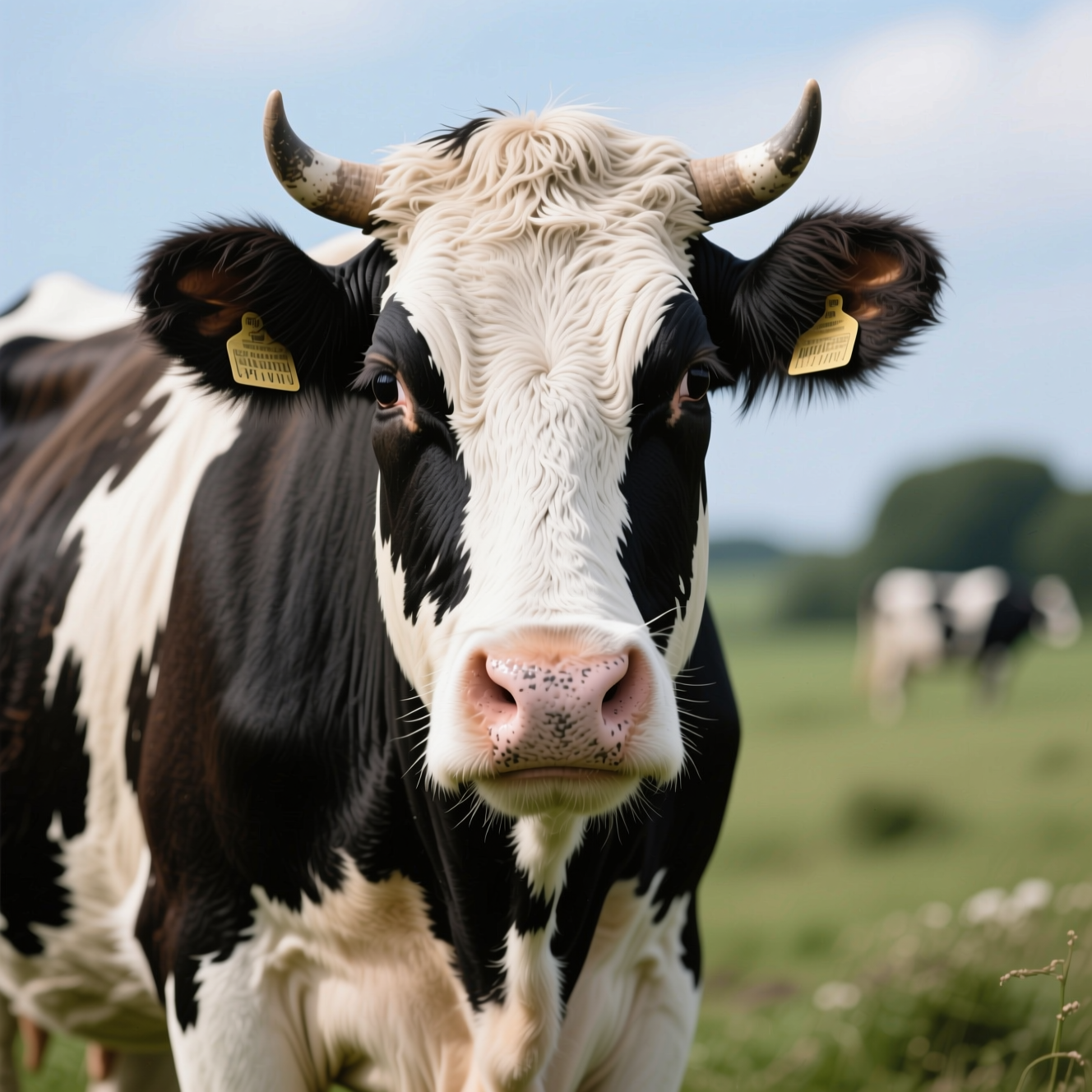
In conclusion, cows are fascinating creatures that play a vital role in agriculture and the ecosystem. Understanding their behavior, habitat, and importance is essential for sustainable farming practices and ecosystem management. By promoting regenerative agriculture and adopting more sustainable cow farming practices, we can ensure the health and well-being of both cows and the environment.
Whether you are a farmer, rancher, or simply a concerned citizen, it is essential to appreciate the significance of cows in our world. By choosing sustainable products and supporting regenerative agriculture, you can contribute to a more environmentally friendly and socially responsible food system.