The Benefits and Uses of Bone Broth
Bone broth has gained popularity as a nutritional staple, celebrated for its health benefits and versatility in cooking. This article explores the essence of bone broth, its health advantages, various methods of preparation, and ways to incorporate it into your diet.
What is Bone Broth?
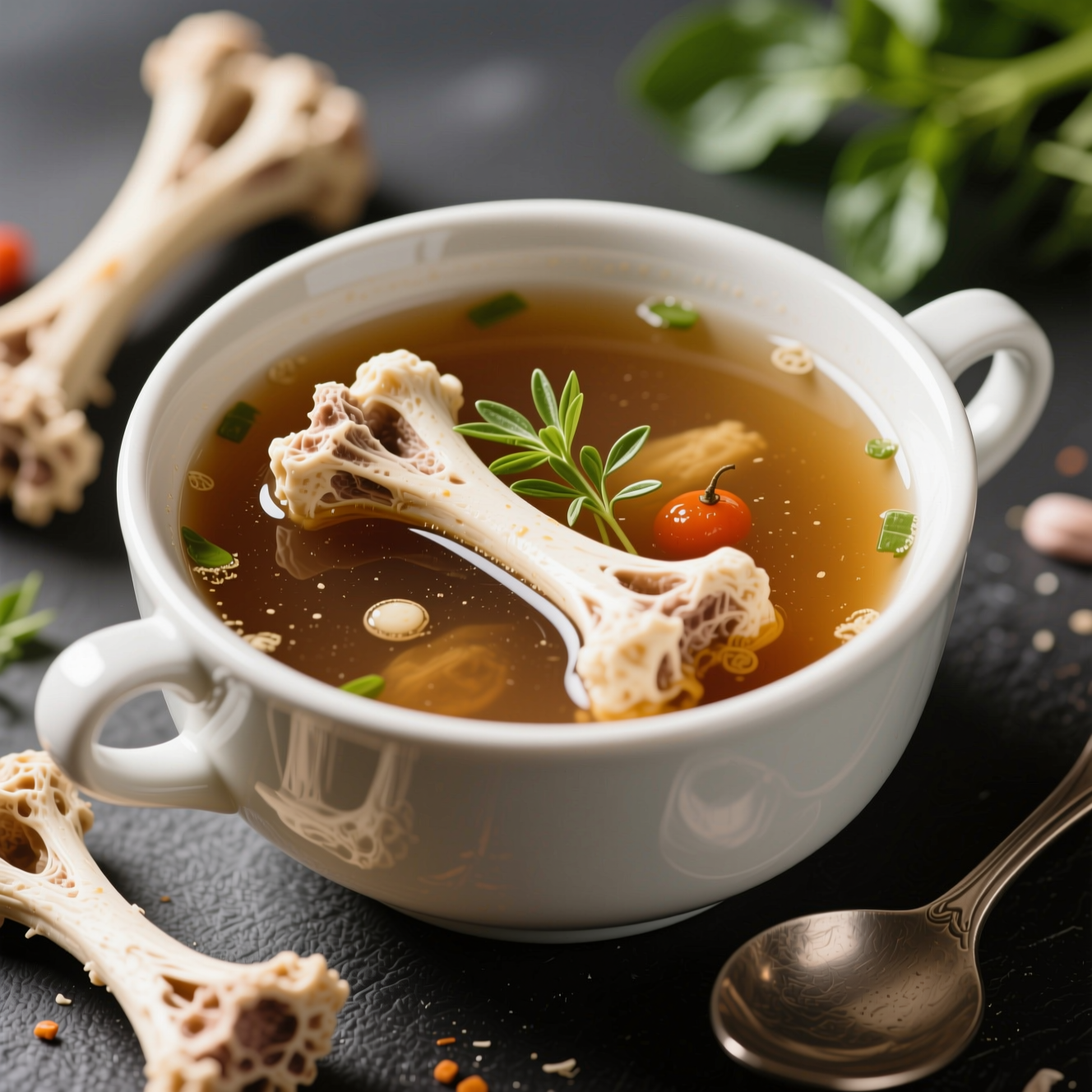
Bone broth is a nutrient-rich liquid made by simmering animal bones and connective tissues. Unlike stock, which is cooked for a shorter period, bone broth is usually simmered for at least 12 hours, allowing the release of minerals and nutrients from the bones into the broth.
Historically, bone broth has been used in various cultures for its healing properties and ability to enhance the flavor of dishes. It can be made from the bones of chicken, beef, fish, or other animals, often enriched with vegetables and herbs for additional flavor.
Bone broth is praised for containing collagen, amino acids, and essential minerals, which contribute to its acclaimed health benefits. The slow cooking process breaks down the bones and tissues, releasing nutrients that are easily absorbed by the body.
Health Benefits of Bone Broth
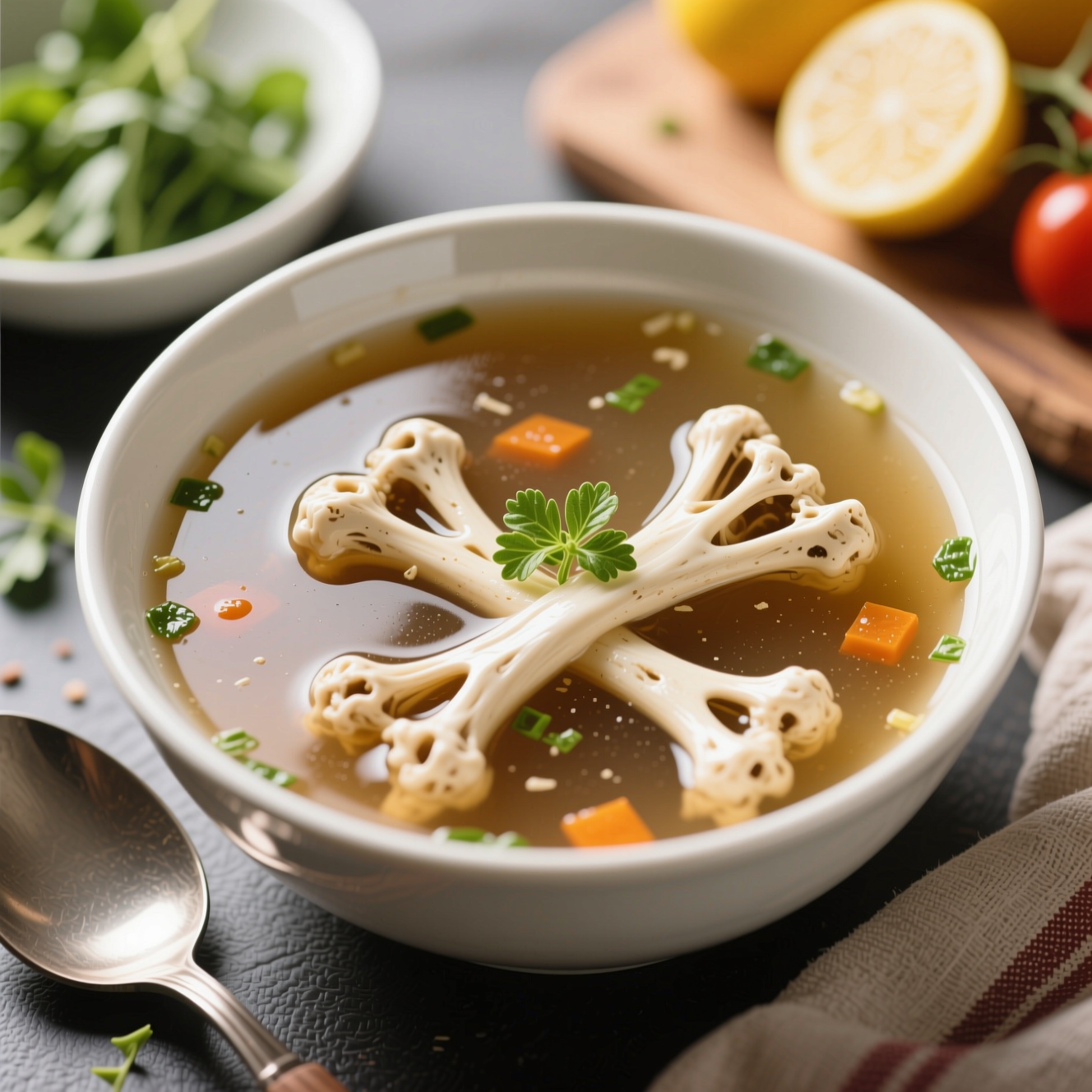
Bone broth is renowned for its potential health benefits, particularly its ability to support joint health. The collagen and gelatin found in bone broth are essential for maintaining healthy joints and reducing inflammation.
In addition to joint support, bone broth may aid digestion. The gelatin helps protect and heal the lining of the digestive tract, making it beneficial for individuals with digestive disorders such as leaky gut syndrome.
Bone broth is also linked to improved skin health. Collagen, a major component of bone broth, can enhance skin elasticity and hydration, potentially reducing the appearance of wrinkles and promoting a youthful glow.
Furthermore, bone broth is rich in minerals like calcium, magnesium, and phosphorus, supporting overall bone health and contributing to the body’s mineral requirements.
How to Make Bone Broth

Making bone broth at home is a simple process that requires minimal ingredients. Begin by gathering animal bones, preferably from grass-fed or organic sources. Chicken, beef, and fish bones are popular choices.
Place the bones in a large pot and cover them with water. Add a splash of apple cider vinegar to help extract the nutrients from the bones. Include vegetables such as carrots, celery, and onions for added flavor and nutrition.
Simmer the mixture on low heat for 12 to 24 hours. The longer you simmer the broth, the richer it becomes in nutrients. Skim off any foam that forms during cooking to maintain clarity.
Once the broth is ready, strain it through a fine mesh sieve to remove solids. Store the broth in glass jars and refrigerate or freeze for future use.
Incorporating Bone Broth into Your Diet
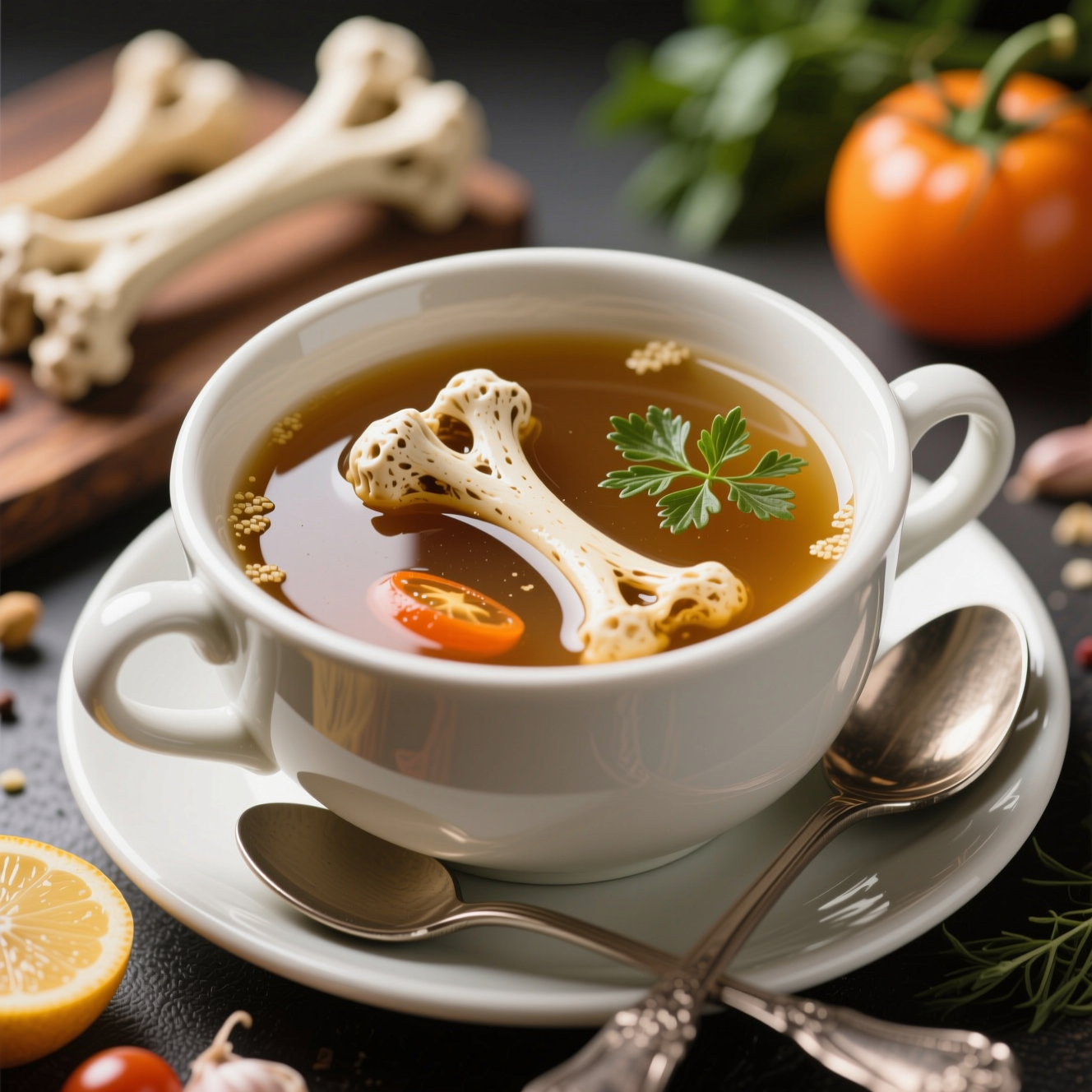
Bone broth can be enjoyed on its own as a warm, comforting beverage, particularly in colder months. It can be seasoned with salt, pepper, and herbs to enhance its taste.
Additionally, bone broth serves as a flavorful base for soups and stews, adding depth and richness to these dishes. Use it as a substitute for water when cooking grains like rice or quinoa to infuse them with additional flavor.
For a nutritious boost, consider adding bone broth to smoothies. While unconventional, this practice can increase the protein content and provide a unique savory twist to your smoothie recipes.
Bone broth can also be used in sauces and gravies, offering a hearty and healthy alternative to traditional broths or stocks used in cooking.
Bone broth is a versatile and nutrient-packed food that offers numerous health benefits. Whether you make it at home or purchase it ready-made, incorporating bone broth into your diet can enhance your overall well-being. Start experimenting with bone broth in your kitchen today and discover its many uses and benefits.